
About
Since its inception in 1956, when the company's founder, Dr. Seiuemon Inaba, introduced the concept of numerical controls, FANUC has always been at the forefront of manufacturing techniques in the world. Going from automating a simple machine in the late 1950s to automating entire production lines in the decades that followed, Dr. Inaba initiated this revolution with the invention of the first pulsed electric motor, the programming of its numerical controls and its integration into a machine tool.
Continuously seeking to push the boundaries of automation, increase productivity, manufacture a better product, and reduce costs, Dr. Inaba and his team continued this quest with a robot based on the same principles and intended to load the machine tool.
Other manufacturing and engineering companies around the world were quickly able to benefit from the technological advances brought about by Dr. Inaba's work, to reduce costs and increase productivity. And, with its globally recognized products, such as ROBOCUT, ROBODRILL and ROBOSHOT, which began equipping factories between the 70s and 80s, FANUC was able to offer optimized solutions to an ever wider range of industrial applications and customers. In Japan, FANUC is the first company to have designed and implemented a fully automated factory equipped with CNC machine tools and robots.
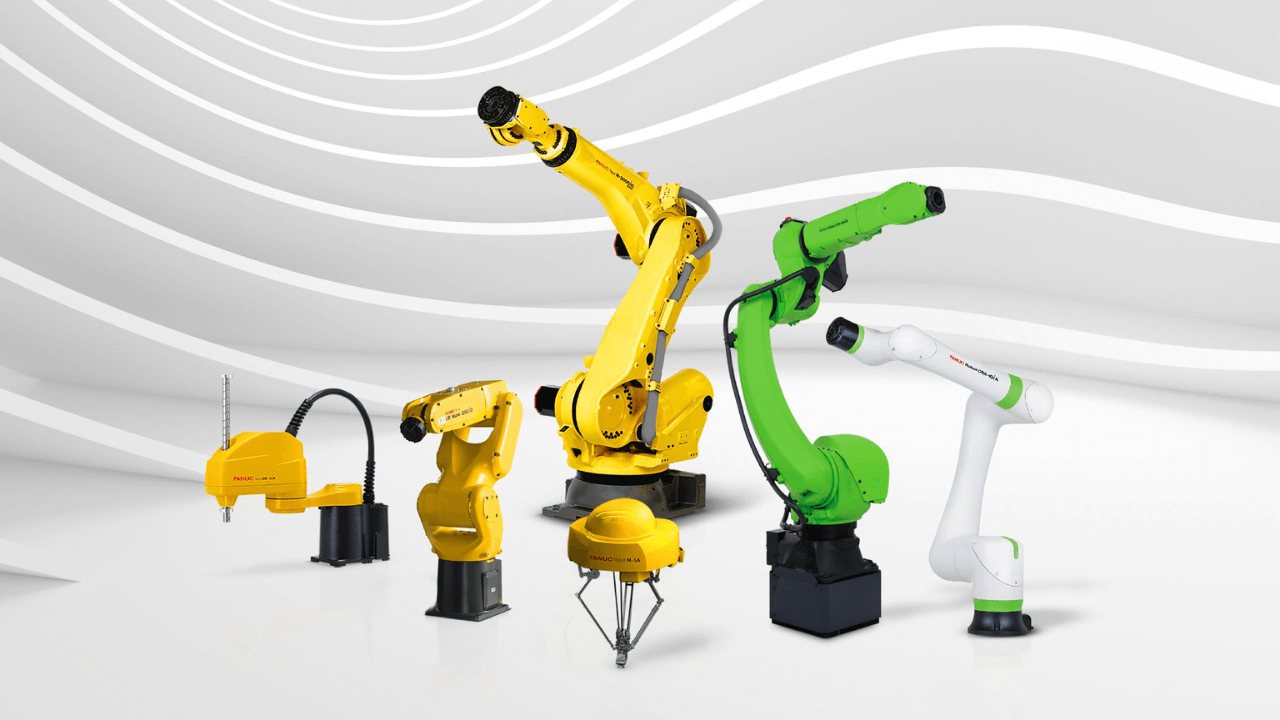
Sixty years later and with more than 4 million numerical controls and 550,000 robots installed worldwide, FANUC is the world leader in industrial automation systems. However, some things remain the same: FANUC's unwavering commitment to staying at the forefront of automation innovation and helping customers optimize their production processes.
Text from the SPC member profile.
Know-how
Sectors
Location
Grenchenstrasse 7, 2504 Biel/Bienne
Marker at the centre of the locality, not at the address.
Show on the members mapWe answer in English, French or German.
The SPC newsletter
Every Tuesday: three polymer innovations and the network’s next visits.